Finding the right business partner can make or break a reseller’s success, and that is exactly why so many retailers, Amazon sellers, and small business owners spend so much time researching wholesale distributors before committing to a supplier relationship. Whether you are just starting out or looking to scale an existing business, understanding how wholesale distributors operate — and how to choose the right one — can save you money, time, and a lot of frustration.
At Nova Distribution, we work with retailers and resellers every day who are trying to figure out the smartest way to buy bulk items without sacrificing quality or profit margins. In this guide, we will break down everything you need to know about wholesale distributors, from how they work to how you can build a long-term partnership that actually grows your business.
What Are Wholesale Distributors?
Wholesale distributors are companies that purchase large volumes of products directly from manufacturers and then resell those products in bulk to retailers, resellers, and other businesses. Instead of buying one item at a time from a manufacturer, wholesale distributors negotiate bulk pricing and pass along a portion of those savings to their customers.
This model benefits everyone involved. Manufacturers get to move large quantities of inventory quickly, wholesale distributors earn a margin for handling logistics and storage, and retailers gain access to wholesale items at prices that make resale profitable. Without wholesale distributors acting as the middle layer, most small and mid-sized retailers would struggle to access competitive pricing on the products they need.
How Wholesale Distributors Work
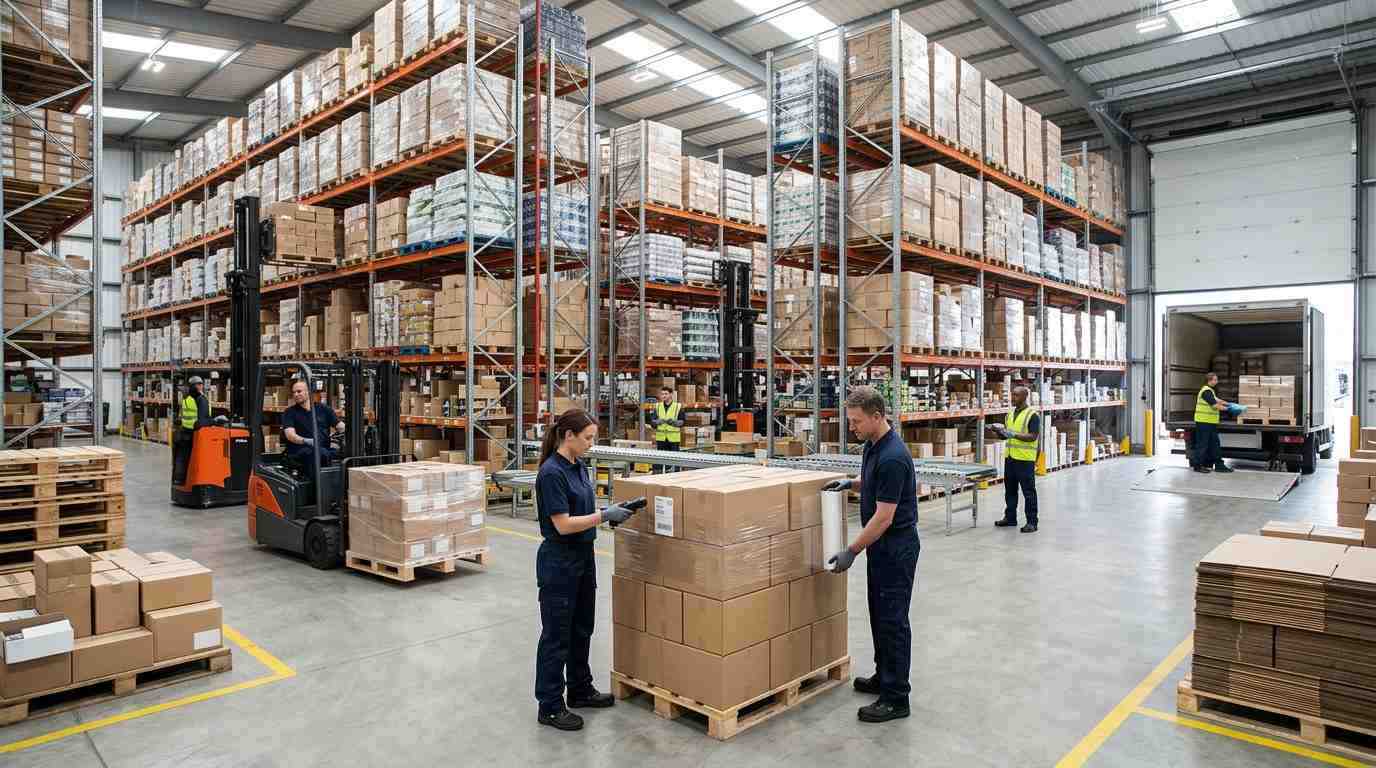
Understanding how wholesale distributors work helps explain why they are such a valuable part of the supply chain. Most wholesale distributors maintain relationships with dozens or even hundreds of manufacturers across different product categories. They purchase inventory in bulk, store it in warehouses, and then sell it to retailers in smaller (but still bulk) quantities.
A typical process looks like this:
- The distributor identifies in-demand products and negotiates bulk pricing with manufacturers.
- Inventory is shipped to a central warehouse or distribution center.
- Retailers and resellers place orders, often with a minimum order quantity (MOQ).
- The wholesale distributor picks, packs, and ships orders — sometimes directly to the retailer’s customers.
This structure allows wholesale distributors to offer consistent supply, competitive pricing, and reliable fulfillment, which is especially important for Amazon sellers who need predictable inventory flow.
Why Businesses Work with Wholesale Distributors
There are several reasons retailers and resellers choose to work with wholesale distributors rather than sourcing directly from manufacturers:
- Lower minimum order requirements compared to buying straight from a factory
- Faster shipping since distributors typically hold ready-to-ship inventory
- Product variety from multiple brands and manufacturers in one place
- Reduced risk, since distributors have already vetted suppliers and product quality
- Easier communication, often in English and with domestic customer support
For many small businesses, working with wholesale distributors is simply more practical than trying to negotiate directly with overseas factories.
Benefits of Buying Wholesale Items
Buying wholesale items in large quantities comes with clear financial advantages. The biggest one is price — the more units you purchase, the lower your per-unit cost typically becomes. This makes it possible to build healthy profit margins even in competitive markets like Amazon FBA or e-commerce.
Other benefits of buying wholesale items include:
- Consistent access to popular, fast-moving products
- The ability to negotiate better pricing as order volume grows
- Reduced shipping costs per unit when ordering in bulk
- Stronger buying power and leverage with suppliers over time
Retailers who understand how to buy wholesale items strategically are often able to outprice competitors who are sourcing products in smaller quantities.
How to Buy Bulk Items Efficiently
Knowing how to buy bulk items efficiently is just as important as finding a good supplier. Ordering too much inventory ties up cash flow, while ordering too little means missed sales opportunities. Here are a few practical tips:
- Start with a test order. Before committing to a large purchase, order a smaller batch to confirm product quality and demand.
- Track sell-through rate. Understand how quickly a product sells before increasing your bulk order size.
- Negotiate tiered pricing. Many wholesale distributors offer better rates as your order volume increases over time.
- Plan around seasonality. Buy bulk items ahead of peak seasons to avoid stockouts and rushed shipping fees.
Learning to buy bulk items with a clear strategy — rather than just chasing the lowest price — is what separates profitable resellers from those who struggle with excess inventory.
Wholesale Items for Resale
Not every product makes sense for resale, even at a great wholesale price. When evaluating wholesale items for resale, consider demand, competition, and profit margin together rather than focusing on price alone.
A few questions worth asking before committing to wholesale items for resale:
- Is there consistent, ongoing demand for this product?
- How saturated is the market on platforms like Amazon or eBay?
- What is the realistic profit margin after shipping, fees, and storage costs?
- Does the product have a low return or damage rate?
Successful resellers usually diversify across a handful of reliable wholesale items for resale rather than relying on a single product category.
How to Buy Items in Bulk While Protecting Profit Margins
It is easy to get excited about low unit pricing and forget to calculate the full cost of doing business. If you want to buy items in bulk without eating into your margins, you need to account for more than just the wholesale price tag.
Factor in:
- Shipping and freight costs
- Storage or warehousing fees
- Platform fees (Amazon, eBay, Etsy, etc.)
- Packaging and labeling requirements
- Potential returns or damaged goods
When you buy items in bulk with these costs mapped out in advance, you avoid the common mistake of assuming a low per-unit price automatically means high profit.
What to Look for When Choosing Wholesale Distributors
Not all wholesale distributors are created equal, and choosing the wrong partner can be costly. Here is what to evaluate before signing on with a new supplier.
Product Quality and Supplier Reliability
Reliable wholesale distributors stand behind the quality of their products. Ask for samples, check reviews, and confirm that the distributor has quality-control processes in place. A supplier who cannot answer basic questions about product sourcing or quality assurance is a red flag.
Pricing, Minimum Order Quantities, and Margins
Compare pricing across a few wholesale distributors before committing. Pay close attention to minimum order quantities (MOQs), since a low unit price attached to an unrealistic MOQ can still be a bad deal for a smaller business. Always calculate your actual margin after all associated costs, not just the wholesale unit price.
Shipping, Inventory, and Order Fulfillment
Fast, dependable shipping is one of the most overlooked factors when evaluating wholesale distributors. Ask about average processing times, shipping carriers, and how backorders or inventory shortages are communicated. A distributor with strong fulfillment practices helps you avoid stockouts and unhappy customers.
How Resellers Can Find Profitable Bulk Items for Sale
Finding profitable bulk items for sale takes research, not guesswork. Successful resellers typically:
- Monitor trending categories and seasonal demand shifts
- Use sales-rank tools to gauge product demand on marketplaces like Amazon
- Compare pricing across multiple wholesale distributors before ordering
- Prioritize suppliers with transparent, published catalogs
The goal is to identify bulk items for sale that combine steady demand with manageable competition, giving you the best chance at consistent, repeatable profit.
Common Mistakes to Avoid When Buying Wholesale
Even experienced resellers make mistakes when sourcing from wholesale distributors. Some of the most common include:
- Over-ordering without testing demand first
- Ignoring shipping and storage costs when calculating margins
- Working with unverified suppliers who lack reviews or references
- Failing to negotiate pricing or payment terms
- Not diversifying product sourcing across multiple wholesale distributors
Avoiding these pitfalls early on can save your business significant time and money down the road.
Tips for Building a Long-Term Relationship with Wholesale Distributors
The most successful retailers treat their relationships with wholesale distributors as long-term partnerships, not one-time transactions. A few ways to strengthen that relationship:
- Communicate order forecasts in advance when possible
- Pay invoices on time to build trust and credibility
- Provide honest feedback about product quality or shipping issues
- Ask about loyalty pricing or volume discounts as your order history grows
Distributors are far more likely to offer flexibility, better pricing, and priority service to retailers they know and trust.
Final Thoughts
Choosing the right wholesale distributors is one of the most important decisions a retailer or reseller can make. From product quality and pricing to shipping reliability and long-term partnership potential, every factor plays a role in your business’s profitability.
At Nova Distribution, we work directly with retailers, resellers, and Amazon sellers across the USA to provide reliable access to wholesale items, competitive bulk pricing, and dependable order fulfillment. If you are ready to source smarter and grow your business with a wholesale distributor you can trust, reach out to Nova Distribution today to get started.
Frequently Asked Questions
1. What is the difference between a wholesale distributor and a manufacturer? A manufacturer produces the actual goods, while wholesale distributors purchase those goods in bulk and resell them to retailers in smaller (but still bulk) quantities. Working with wholesale distributors often means lower minimum order requirements and faster shipping compared to buying directly from a factory.
2. How do I know if a wholesale distributor is legitimate? Look for a physical business address, verifiable customer reviews, clear product catalogs, and transparent pricing. Legitimate wholesale distributors are typically willing to answer detailed questions about sourcing, minimum order quantities, and shipping timelines without hesitation.
3. What is a good profit margin when buying wholesale items for resale? Profit margins vary by industry, but many successful resellers aim for at least 20–30% after accounting for shipping, platform fees, and storage costs. When evaluating wholesale items for resale, always calculate your total landed cost before setting a resale price.
4. How much inventory should I buy when I buy bulk items for the first time? Start small. Order a test batch to confirm product quality and demand before committing to a larger purchase. Once you understand your sell-through rate, you can confidently buy items in bulk in quantities that match actual demand.
5. Can small businesses work with wholesale distributors, or is it only for large retailers? Small businesses absolutely can work with wholesale distributors. Many distributors, including Nova Distribution, offer manageable minimum order quantities specifically designed to support small and growing retailers, not just large chains.